What the translation engine actually watches between these two languages.
01
Thai has no "to be"
Thai says "ผมคนไทย" - literally "I Thai" - while Japanese needs タイ人です. The engine adds the copula (and the right register) from the context.
ผมคนไทยครับ. → 私はタイ人です。
02
Tense lives in context
Thai verbs never change form: ไป means go, went and will go. The engine reads the time from the sentence around it and rebuilds the Japanese past or future form.
เมื่อวานไปเที่ยวมา → 昨日、遊びに行きました。
03
Polite endings set the tone
Thai ends lines with ครับ or ค่ะ, while Japanese switches into whole keigo forms - so the same thank-you is rebuilt, not word-swapped.
ขอบคุณครับ → ありがとうございます。
04
"Have you eaten?" asks, and greets
The sentence carries no subject: the question is about lunch, but the message is hello. The engine reads the situation and keeps the warmth.
กินข้าวแล้วหรือยัง → ご飯もう食べた?
05
ไม่ is small, but decisive
ไม่เป็นไร closes the matter. The Japanese side has no equal form, so the engine swaps the whole construction.
ไม่เป็นไรครับ → 大丈夫です。
06
ครับ alone is a full sentence
In the middle of a talk, ครับ is enough to say I'm listening. The Japanese marker has no equal, so the engine chooses はい or ええ by register.
ครับผม → はい。
Thai vs Japanese: the differences you can see
Six small gaps the engine bridges in every talk - and why the translation reads so natural.
01
The subject travels without a marker
ผมชื่อสมชาย私はソムチャイです。
02
A question ends in ไหม, not です
ร้านนี้เปิดกี่โมงこの店は何時からですか。
03
ไม่ stands before the word it negates
ผมไม่หิว私はお腹が空いていません。
04
An invitation: กันไหม vs ませんか
ไปเที่ยวกันไหมครับ一緒に旅行に行きませんか。
05
Goodbye has its own grammar
แล้วเจอกันそれではまた。
06
Possession: ของ + noun
ของว่างเขาให้ฟรีおやつは無料でついています。
Why it beats tapping a translation box
Same hotel, same menu - but nobody types and nobody waits for a turn to pass.
01
No per-sentence tapping
Set once, then the app follows whoever speaks. Direction is decided by the voice, not by a button.
02
Live captions, saved transcript
Each line shows as it is spoken and stays in the transcript, ready to edit, copy or share after.
03
Read it aloud for the other person
Tap a line on the screen and the phone reads it, so the other side hears their own language too.
What it does - and what it doesn't
Straight answers beat surprises: the boundaries here are the real app's boundaries.
What it does
✓Two-sided live conversations, one phone
✓Both directions, no manual switching
✓Transcripts you can edit, copy and share
✓Read-aloud buttons on every line
What it doesn't
✕Camera or photo translation
Try this: Read the text out loud - Felo translates the sound instead.
✕Offline translation packs
Try this: Keep the app open on Wi-Fi or a data plan.
✕Handwriting or keyboard input
Try this: Press the mic and speak; text stays for reviewing the transcript.
At a glance
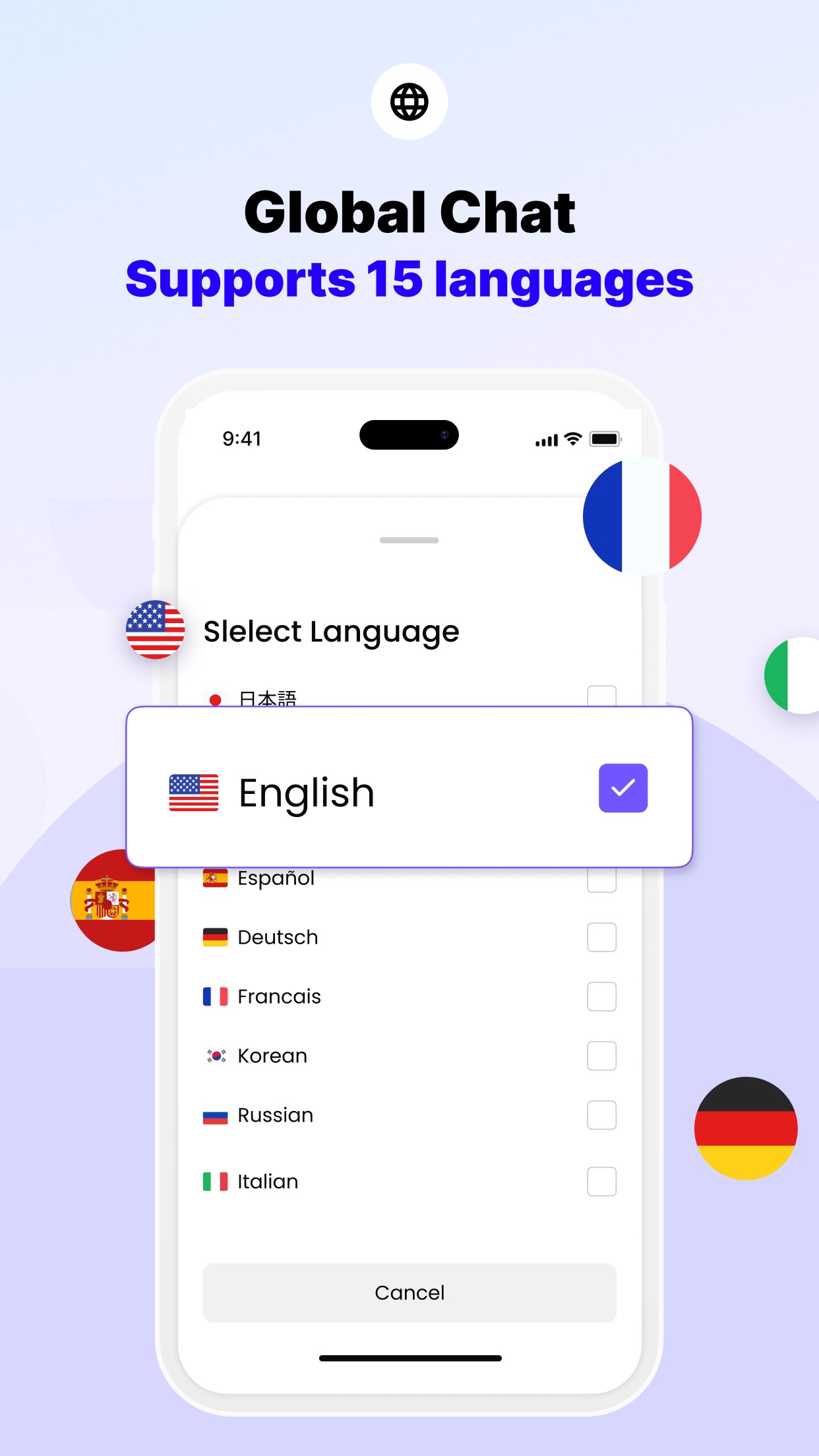
Language pairs16 languages
App Store rating4.4★ / 60 reviews
TranscriptionBilingual, editable, read aloud
PricingFree trial, time-based plans
Straight from the App Store
Real reviews from live two-way conversations. Names kept as posted.
“when it comes to live translation apps utilizing machine learning and AI, this one is by far the best I have come across.”
Yes, Felo is free to try on iOS and Android, rated 4.4 out of 5 on the App Store from 60 reviews. Longer conversations come from time-based plans, such as a 2-hour plan valid for 30 days.
Can it translate Thai to Japanese and back for both parties?
Yes. Pick Thai on one speaker and Japanese on the other; Felo translates each sentence into the other language as it is spoken, and one phone keeps the whole two-direction exchange in order.
Does it keep the polite ครับ and ค่ะ on the Thai side?
The engine is trained on spoken Thai and Japanese, so a speaker who ends lines with ครับ or ค่ะ usually gets a matching polite register on the Japanese side, and service keigo stays polite. If a line comes out more casual than you meant, re-speak it slowly and check the transcript.
Can a Thai traveler use it at a hotel in Japan?
Yes - check-in, breakfast times and taxi rides are typical scenes. Say a line in Thai and the staff hears it in Japanese; their reply shows under it in Thai, ready to show on the screen.
Does it understand Isan or Southern Thai dialects?
Standard Thai works best. It is trained on spoken Thai, so everyday speech usually comes out fine; a heavy regional accent can come out more literally. Re-speak the line and check the transcript.
Does Felo need the internet for live translation?
Yes. Live voice translation runs over the network, so keep a stable connection - there are no offline packs. Set both languages before you arrive and the first conversation is ready.
Can it read a Japanese sign or menu with the camera?
No. Felo is a voice translator - it translates what people say, not printed text. If a menu is on the table, read the dish aloud and Felo will translate it for you.
How is this different from pasting into a Thai-Japanese web translator?
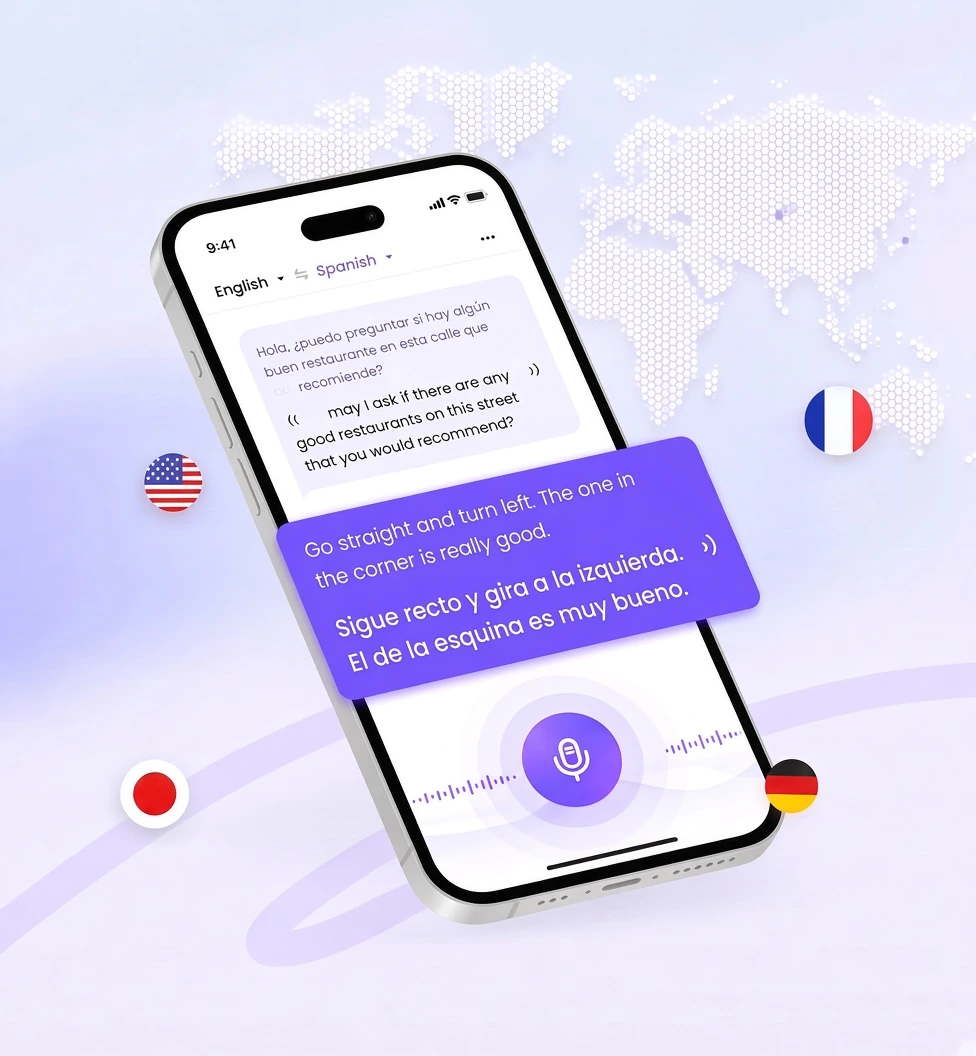
A web translator needs both people to type, sentence by sentence. Felo listens as each person speaks, translates it, and keeps an editable transcript - so one phone is all two sides need to talk.
Can I use it on a phone call?
Keep the call on speaker and place the phone nearby - Felo translates what the microphone hears. It does not sit inside the system call, so voices sent through earphones are not translated.
One long conversation, one phone
From the dinner booking to the morning lake: fourteen lines between a traveler from Bangkok and a ryokan in Hakone. Nothing was typed.